Fixed fares or bidding? Choosing a pricing model for your taxi app
Uber-style fixed fares and inDrive-style rider offers solve different market problems. Here's how each works, where each wins, and how to run both from one admin panel.
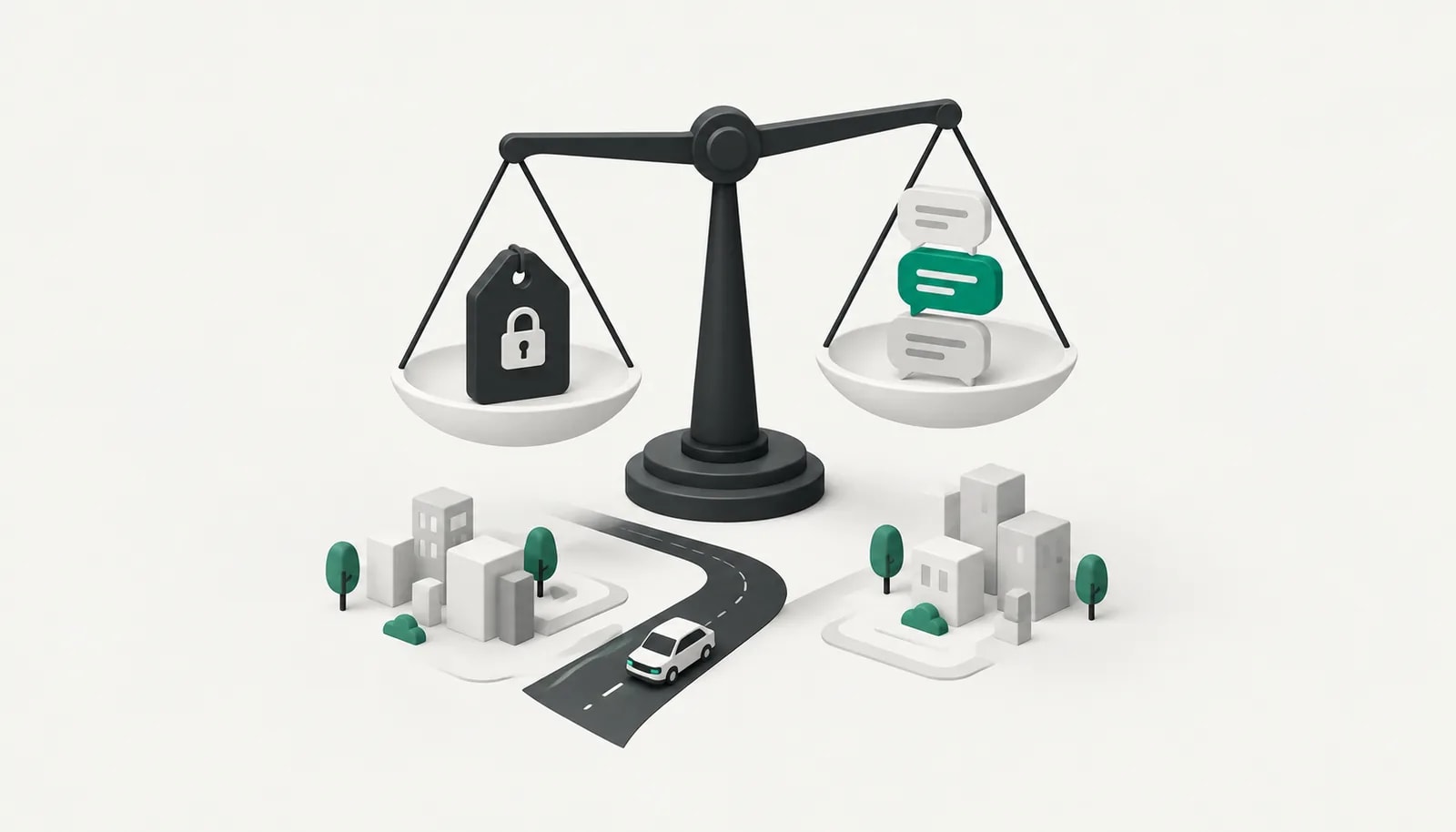
Pricing is the most important product decision in a ride-hailing business, and it's rarely one-size-fits-all. Two models dominate today:
- Fixed fares — the platform calculates a price before the trip (Uber, Careem, Bolt).
- Rider-offered fares with driver bids — the rider proposes a price and nearby drivers accept or counter (inDrive).
Neither is "better". They fit different markets, and the strongest operators are starting to offer both.
How fixed fares work#
The rider picks a route and a vehicle type. The platform prices the trip from:
- a base fare plus distance and time rates per vehicle type,
- minimum fare rules,
- and surge multipliers during peak windows or when demand outstrips supply.
The rider sees one number, confirms, and the nearest suitable driver is dispatched.
Where fixed fares win#
- Speed. One tap to book. No negotiation.
- Trust in regulated or premium markets. Riders expect a clear, consistent price.
- Airport and corporate trips where expense policies need predictable fares.
Where they struggle#
Fixed pricing depends on your model matching local reality. In markets where fuel prices swing, traffic is unpredictable, or riders are highly price-sensitive, a formula can feel wrong to both sides — too high for riders, too low for drivers.
How bidding works#
The rider sets pickup and destination, sees a suggested fare, and makes an offer. Nearby drivers can accept, counter with a higher price, or ignore it. The rider picks from the responses.
Where bidding wins#
- Price-sensitive markets. Riders feel in control of cost.
- Driver supply. Drivers can decline low offers without penalty and earn more on hard trips.
- Long-distance and inter-city routes, where a formula often misprices.
Where it struggles#
It's slower — riders wait for responses — and it needs enough drivers online to produce real competition. In thin markets, bids can drift upward.
Side by side#
| Fixed fares | Rider offers + bids | |
|---|---|---|
| Time to book | Fastest | Slower (wait for bids) |
| Price transparency | One clear price | Negotiated |
| Best for | Dense cities, premium, corporate | Price-sensitive, variable-cost markets |
| Driver control | Low | High |
| Needs surge rules | Yes | Less critical |
Why not both?#
Most growing operators end up serving more than one kind of customer: airport runs and business travellers alongside everyday commuters and inter-city trips. Forcing one model on all of them leaves money on the table.
That's why RapidX ships with a dual pricing system:
- Classic fixed fares with vehicle types and dynamic surge based on peak hours and the live driver-to-rider ratio.
- Rider-offered fares that drivers can accept or counter.
- An optional auto-accept at target price, so riders don't have to wait when a driver agrees.
- Each mode is toggled independently from the admin panel, so you can launch with one and switch the other on per market.
A practical rollout plan#
- Launch with fixed fares in your first city. They're simpler to explain and to support.
- Watch cancellation reasons and driver decline rates. If "price too low" dominates, your formula is off — or your market wants negotiation.
- Enable bidding for specific trip types first (inter-city, off-peak) before turning it on everywhere.
- Keep surge honest. Cap multipliers and show riders why prices are higher.
Want to see both in action? Install the rider and driver APKs from the RapidX demo and book the same trip twice.
Launching a ride or delivery app?
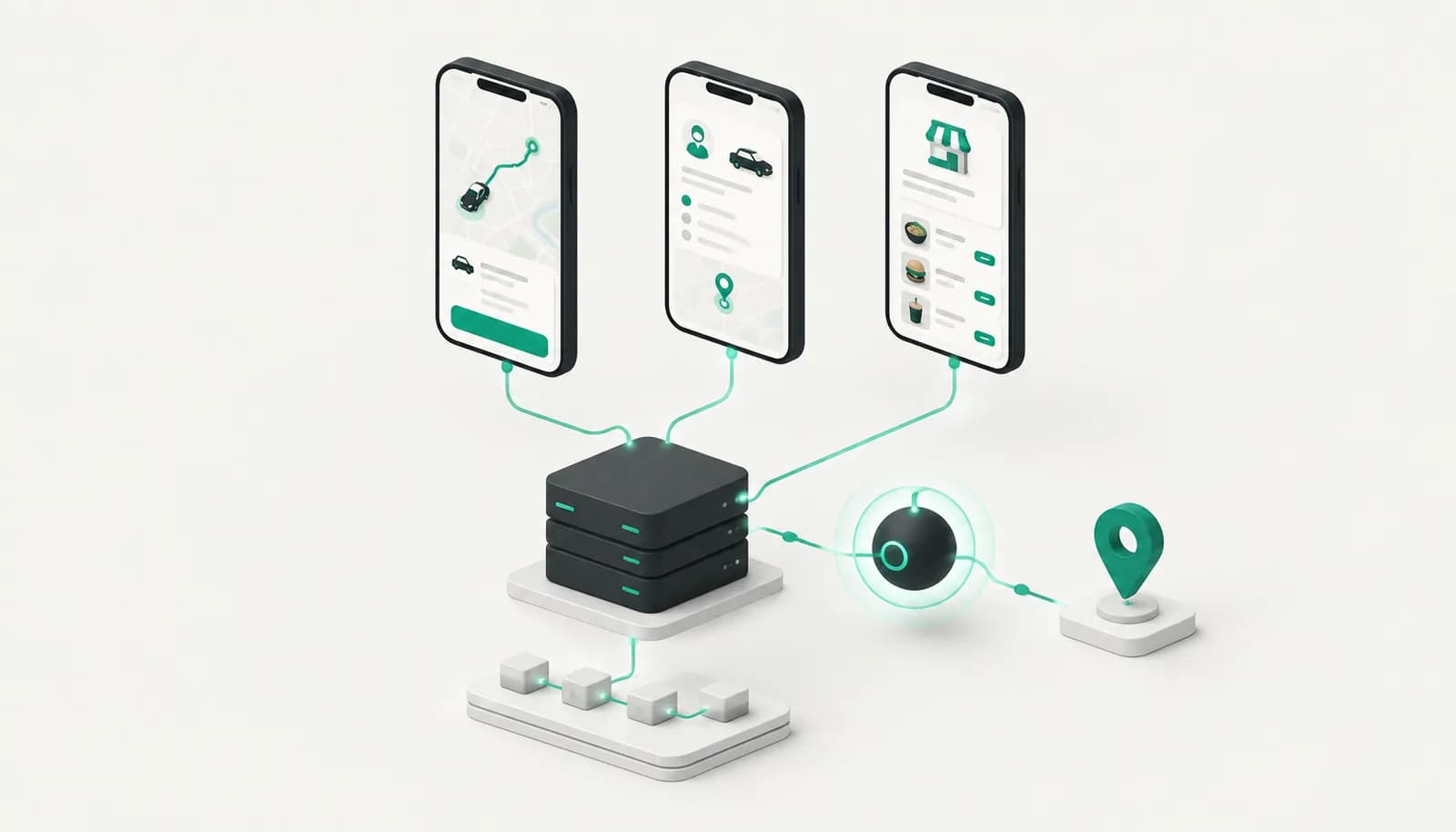
RapidX ships rider, driver and restaurant apps plus a Laravel admin — from $49.

Comments
Loading comments…
Be kind and stay on topic. Comments that are spam or abusive are removed. Privacy